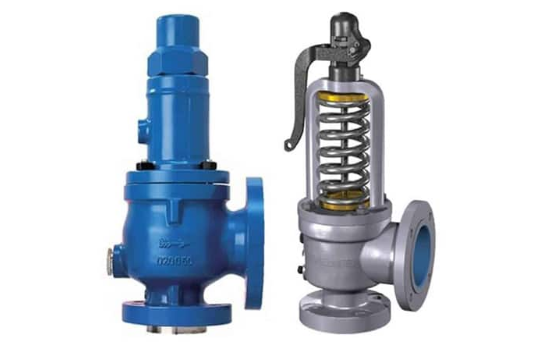
High-pressure systems are essential in many industries, from manufacturing and chemical processing to energy production. These systems often operate under extreme pressures, making safety a top priority. One of the most critical components in ensuring safety in such systems is the safety relief valve. This device plays a vital role in protecting equipment, personnel, and the environment from the risks associated with excessive pressure. Understanding how a safety relief valve works and why it is essential can help businesses maintain safe and efficient operations.
Understanding the Safety Relief Valve
A safety relief valve is designed to automatically release pressure when it exceeds a pre-set limit. Unlike regular valves that require manual operation, safety relief valves operate without human intervention, responding instantly to prevent dangerous pressure build-ups. These valves are commonly used in boilers, pressure vessels, and pipelines where the consequences of overpressure can be severe. By relieving excess pressure safely, they prevent equipment failure and reduce the risk of accidents.
How Safety Relief Valves Protect High-Pressure Systems
The primary function of a safety relief valve is to protect the system from overpressure. When the internal pressure of a system rises above safe levels, the valve opens to release the excess pressure. Once the pressure returns to a safe range, the valve closes automatically. This continuous monitoring and adjustment prevent catastrophic failures, such as explosions, leaks, or mechanical damage. In industries where high-pressure systems are a core part of operations, this level of protection is indispensable for maintaining operational safety.
Enhancing Workplace Safety
In addition to protecting equipment, a safety relief valve significantly contributes to workplace safety. High-pressure systems can pose serious hazards to employees if pressure exceeds safe limits. By providing a controlled release mechanism, safety relief valves minimize the risk of injuries caused by sudden equipment bursts or hazardous material exposure. Workers can perform their tasks confidently, knowing that the system is equipped with a reliable safety measure to handle unexpected pressure surges.
See also: Business Opportunity Evaluation for 210444, 18003141961, 946620091, 642712667, 620610370, 120945991
Maintaining System Efficiency
A well-functioning safety relief valve not only protects against accidents but also supports overall system efficiency. By preventing overpressure, these valves reduce unnecessary wear and tear on system components. This means less downtime for repairs and maintenance, contributing to smoother operations and increased productivity. Additionally, the valve ensures that systems operate within their optimal pressure range, maintaining performance standards and reducing the likelihood of costly disruptions.
Compliance with Safety Standards
Many industries are required to follow strict safety regulations concerning pressure systems. Installing a safety relief valve ensures compliance with these standards, protecting businesses from legal liabilities and potential fines. Regulatory agencies often mandate the use of safety relief valves on high-pressure equipment to meet safety codes. Therefore, investing in these valves is not just about operational safety—it is also a critical step toward regulatory compliance and corporate responsibility.
Choosing the Right Safety Relief Valve
Selecting the appropriate safety relief valve for a system requires careful consideration of factors such as pressure rating, valve type, and material compatibility. Valves must be designed to handle the specific conditions of the system they protect, including temperature, chemical exposure, and pressure fluctuations. Consulting with experienced professionals and following manufacturer guidelines ensures that the safety relief valve will perform reliably when needed most. Proper installation and regular maintenance further enhance the valve’s effectiveness and longevity.
Conclusion
A safety relief valve is a fundamental component in maintaining the safety and efficiency of high-pressure systems. It protects equipment from overpressure, ensures workplace safety, enhances operational efficiency, and helps businesses comply with regulatory standards. By automatically controlling pressure and providing a reliable safety mechanism, safety relief valves play a crucial role in preventing accidents and costly system failures. Investing in quality safety relief valves and maintaining them properly is an essential practice for any organization operating high-pressure systems, ensuring both safety and productivity for years to come.